
Common Colon Diseases
Rectal Bleeding
Blood in the stool is mainly caused by bleeding in the digestive tract, which means that the mucosa in any area of the oesophagus, stomach, small intestine to the large intestine is damaged and bleeding occurs.
Stool Colour
The colour of the stool changes depending on the location of bleeding in the digestive tract and how long the blood has been in the intestine.
| Colour | Bleeding Location |
|---|---|
| Black | Duodenum, stomach or oesophagus |
| Purple / Brown | Distal small intestine or right colon |
| Bright red | Colon parts such as sigmoid, rectum or anus (if rectal or anal bleeding, blood may drip like raindrops and often appear on the surface of the stool) |
Causes of Rectal Bleeding
- Hemorrhoids
- Anal fissure
- Colonic polyps
- Tumours (cancer)
- Angiodysplasia
- Diverticulitis
- Inflammatory bowel disease
- Ischemic colitis
- Radiation colitis
Colonic Polyps
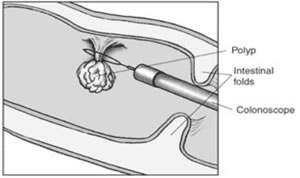
What Are Colonic Polyps?
Polyps are protrusions formed on the surface of the mucosa, most commonly occurring in the colon. Colonic polyps are more common in men.
Symptoms
Colonic polyps are roughly classified histologically into benign and malignant polyps. The main symptoms include bloody stools, increased frequency of bowel movements, and abnormal stool.
Treatment
Patients with a history of polyps, symptoms of polyps, or a family history of colon cancer are considered high-risk groups. Combined with bloody stools, abnormal bowel habits, or positive faecal occult blood tests, early colonoscopy examination is recommended.
If polyps are found during colonoscopy, endoscopic polypectomy is commonly performed. Usually, hospitalisation is not required after treatment.
Relationship Between Polyps and Colon Cancer
The biggest difference between colon cancer and cancers in other parts of the body is that it usually develops from benign polyps. Colon cancer is the easiest to detect and most preventable cancer. Typically, it takes about 3 to 5 years for a polyp to develop into cancer. If malignant polyps are left untreated, they will 100% become colon cancer. The age at which it develops into cancer can be quite young. Therefore, anyone of any age with bloody stools, changes in bowel habits, or positive occult blood tests should seek an experienced specialist for early colonoscopy examination to achieve early detection and treatment.
Colon Cancer
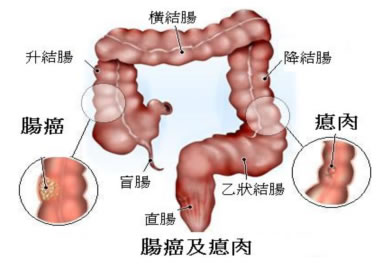
According to the Cancer Registry of Hong Kong, over 3,000 people are diagnosed with colon cancer each year, accounting for 15.9% of the most common cancers. In 2004, cancer became the leading cause of death in Hong Kong, with 1,538 deaths from colon cancer — the second highest cancer mortality rate at 13.0%. The incidence typically begins to increase from ages 40–50, and the risk increases with age.
Causes
The causes of colon cancer can be summarised as follows:
- Family heredity — A small portion of colon cancers are directly related to family genetics.
- Medical history — Patients with colonic polyps or chronic colitis have a higher risk of colon cancer.
- Dietary habits — Frequent consumption of high animal fat, high protein and low fibre foods increases the risk.
Symptoms
- Abdominal pain
- Blood in the stool
- Changes in bowel habits, such as constipation or diarrhoea
- Intestinal obstruction leading to vomiting, constipation and abdominal pain
- Weight loss
- Anaemia
Treatment
1. Surgery
Early detection allows removal by surgical excision with a high cure rate and greatly reduced recurrence.
2. Medication
Cancer medication can reduce the chance of recurrence after surgery and can also help some patients who are not suitable for surgery.
3. Radiotherapy
Radiation therapy before or after surgery can also reduce the chance of recurrence.